The Modern Monument
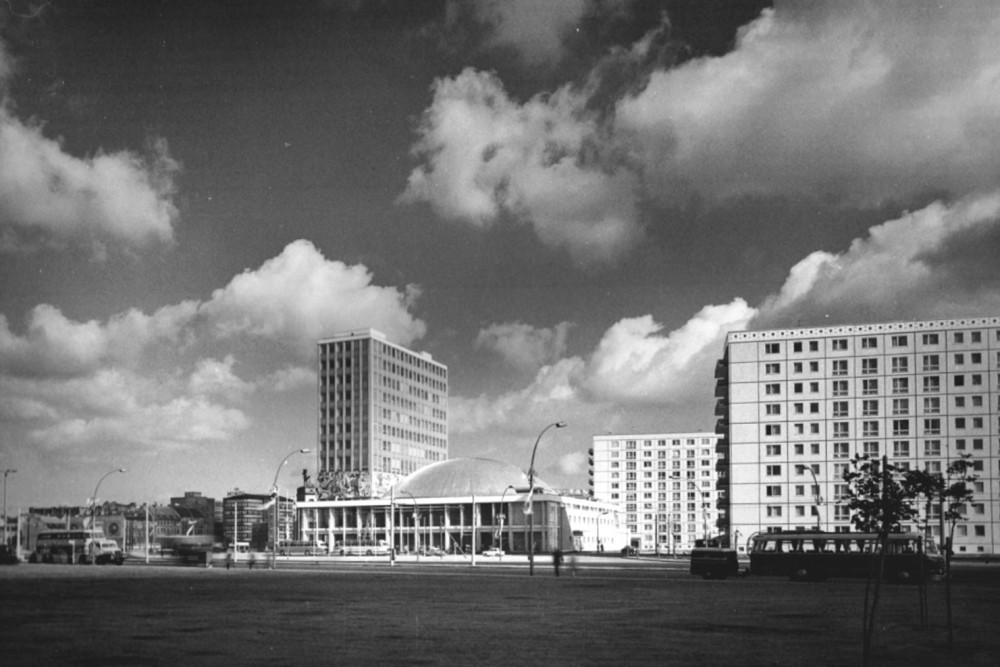
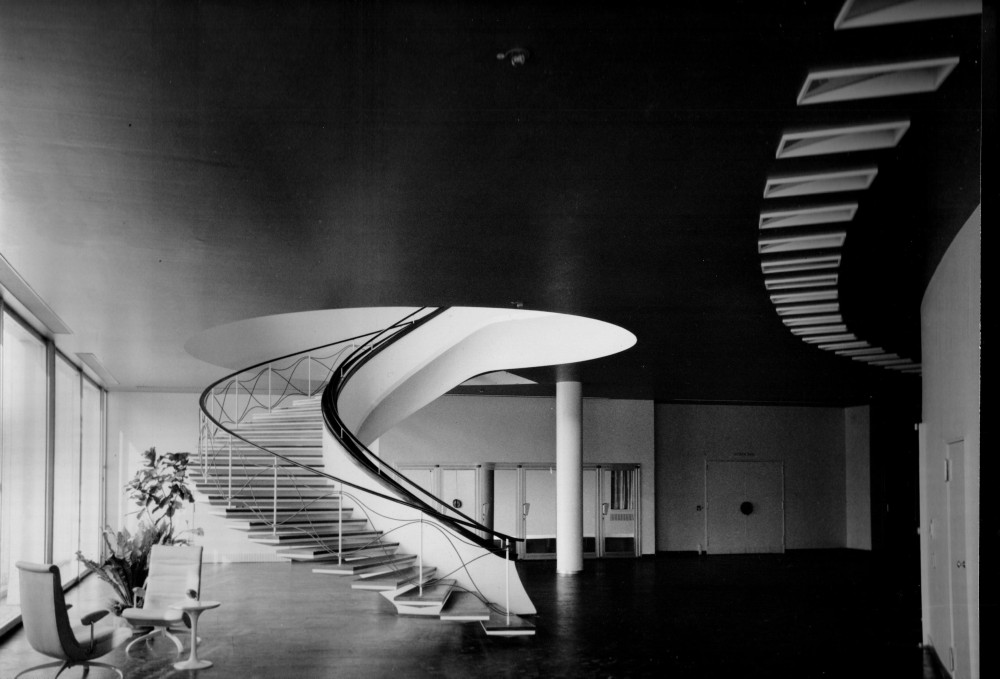
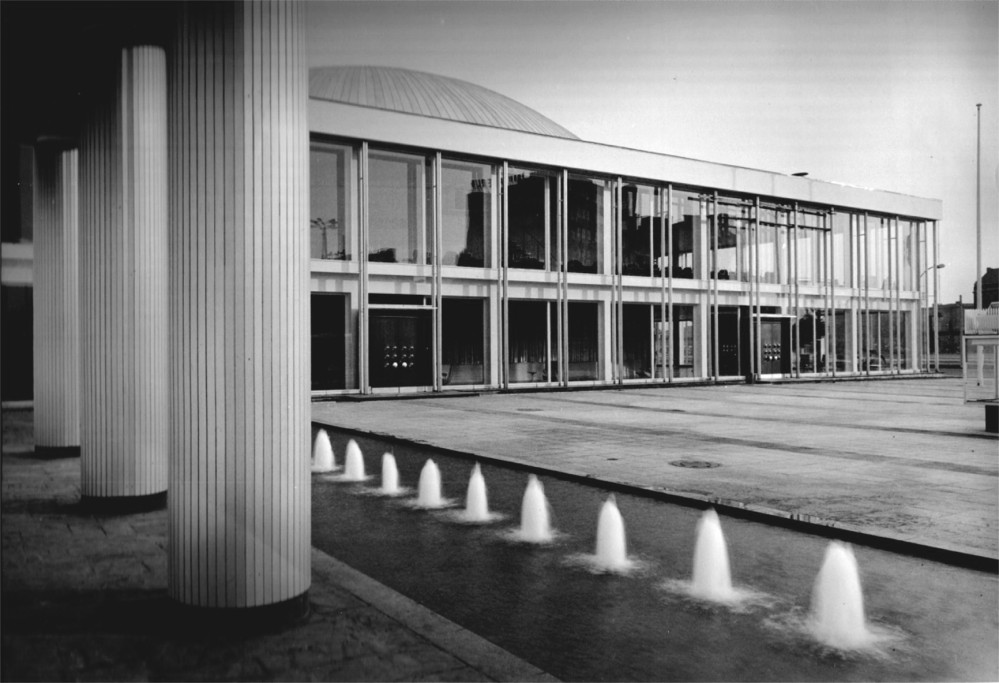
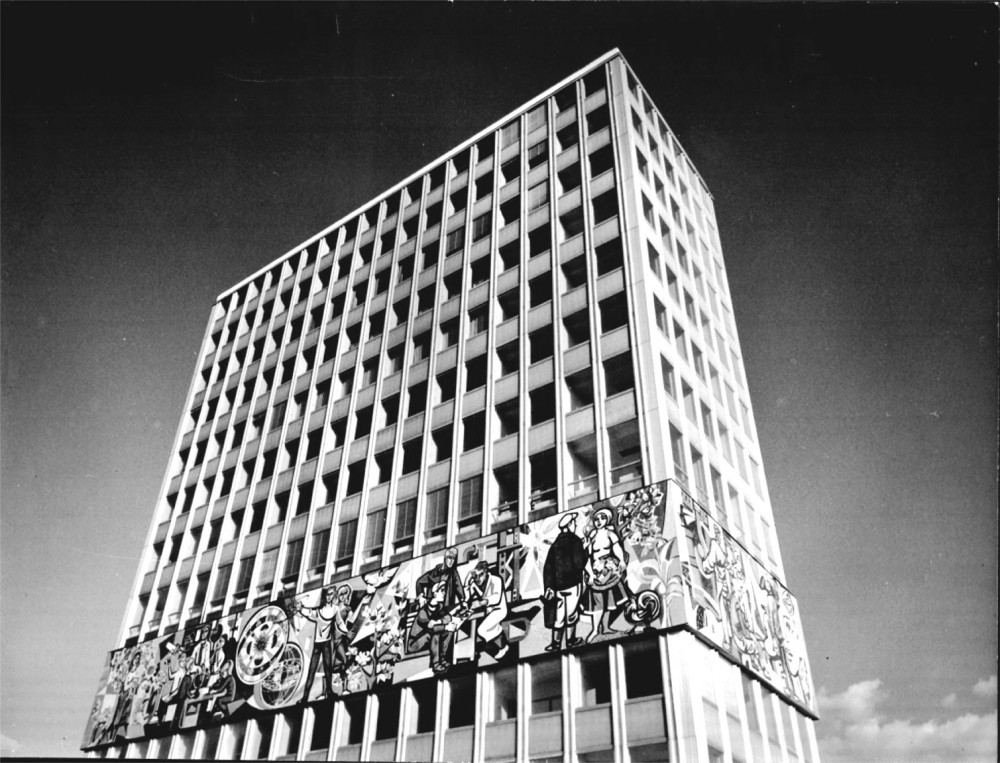
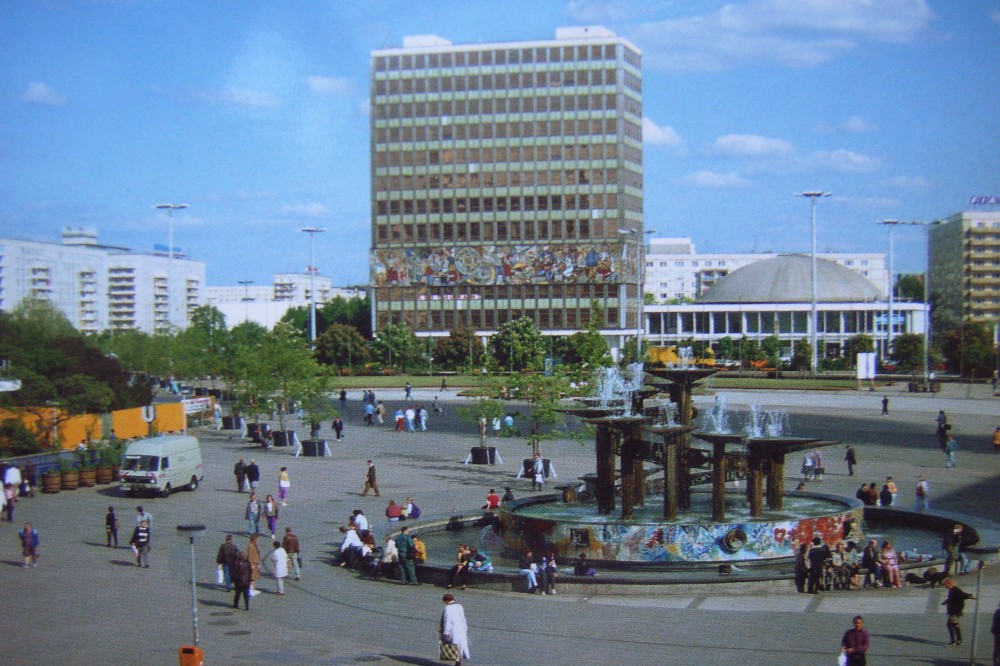
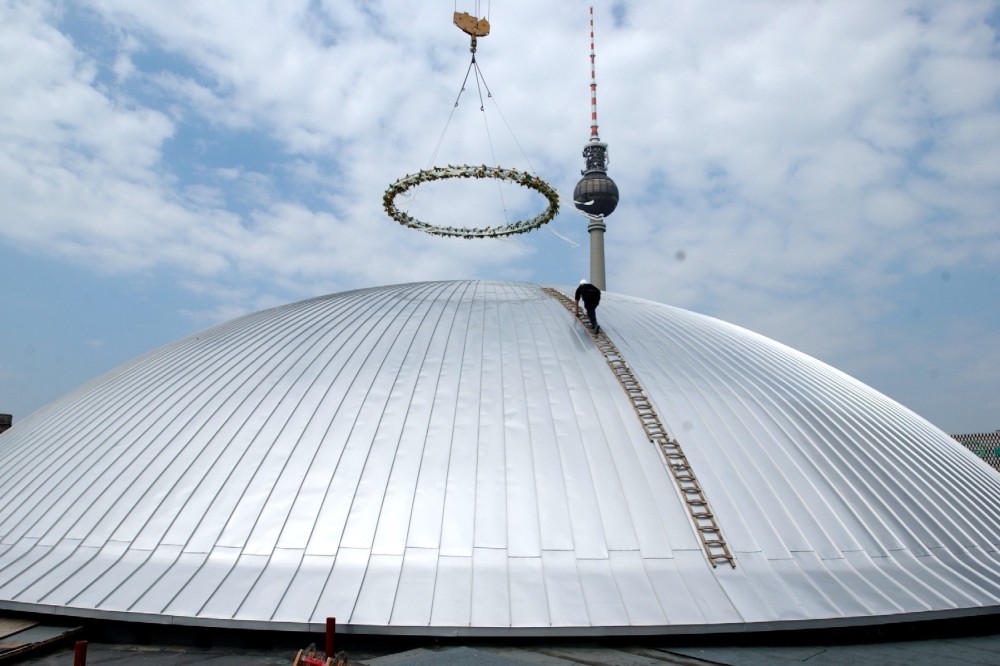
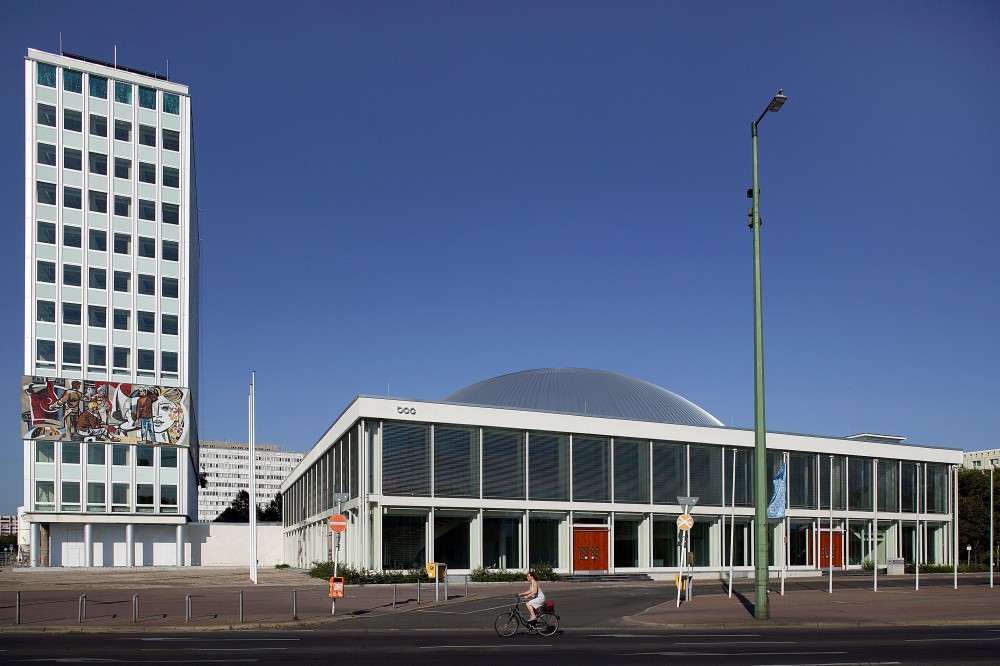
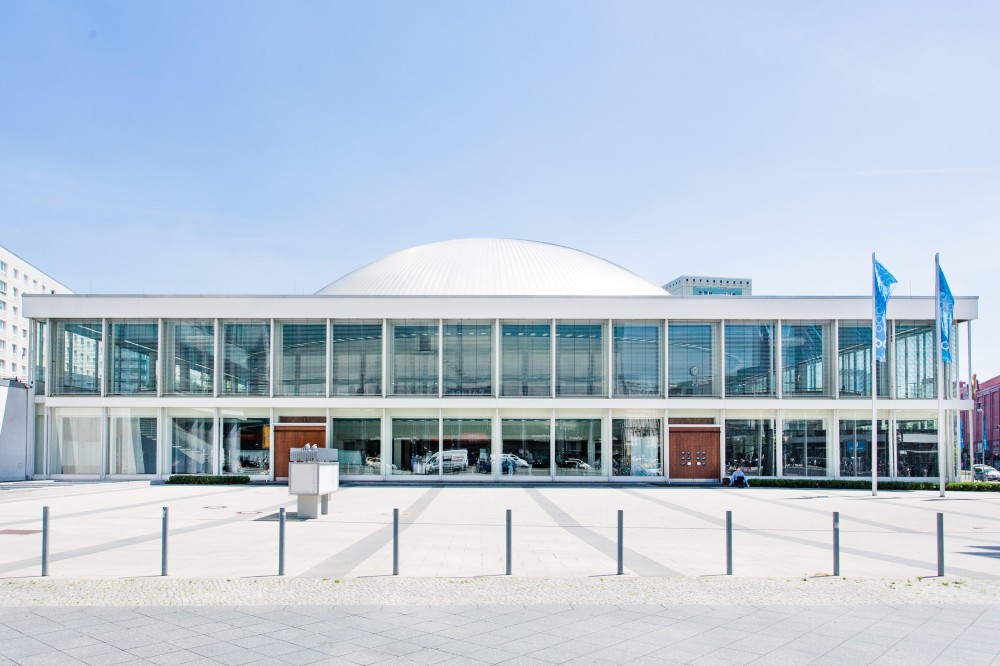
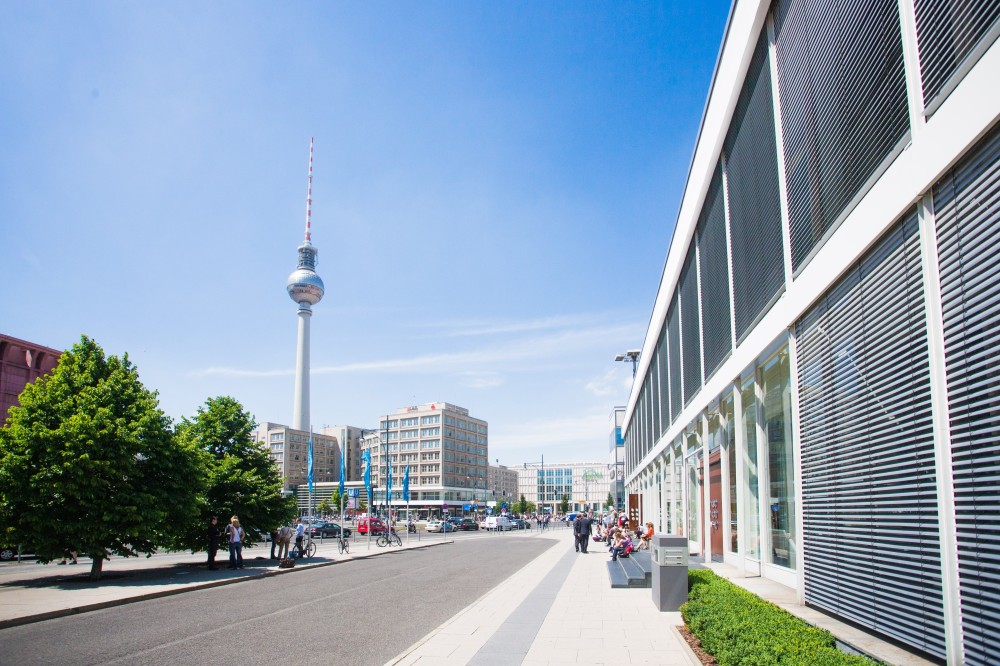
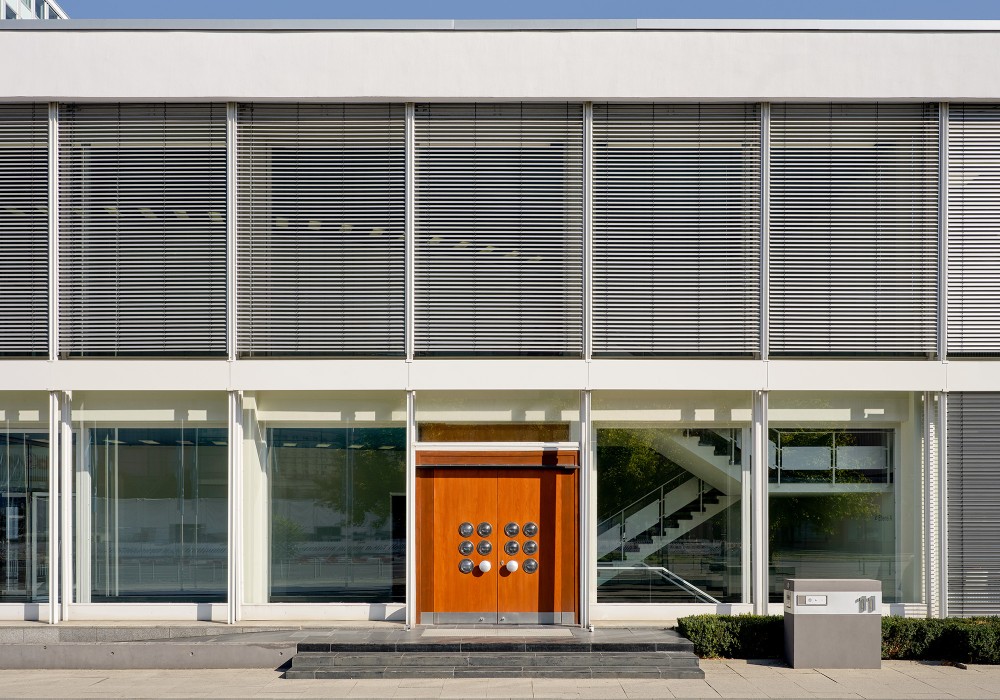
Between 1961 and 1964, the "Haus des Lehrers" (House of the Teachers) was built on Alexanderplatz, featuring a separate domed structure for events – now known as the bcc. The building stands out for its clean lines and many interesting architectural details: the glistening aluminium dome is visible from afar. Looking out from the foyers is an unobstructed view of Berlin's urban landscape. The complex has been a listed building since the 1990s.
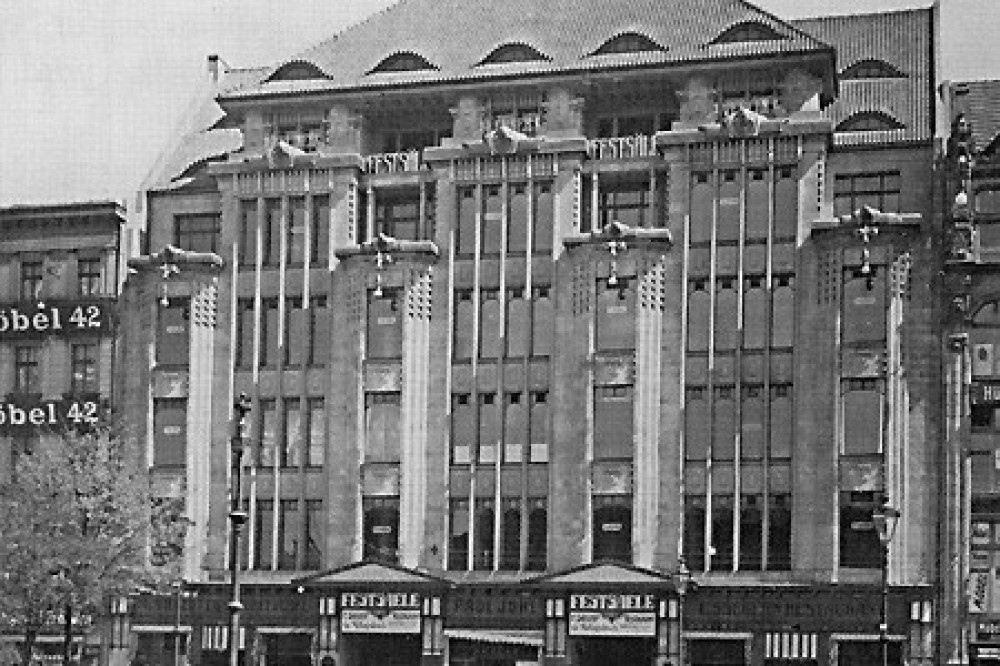
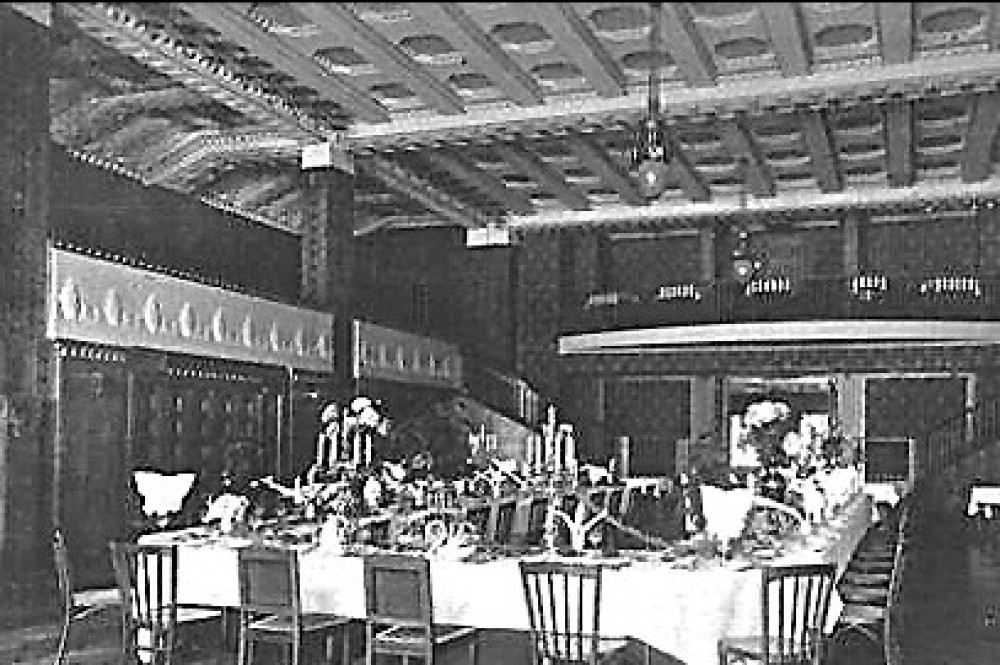
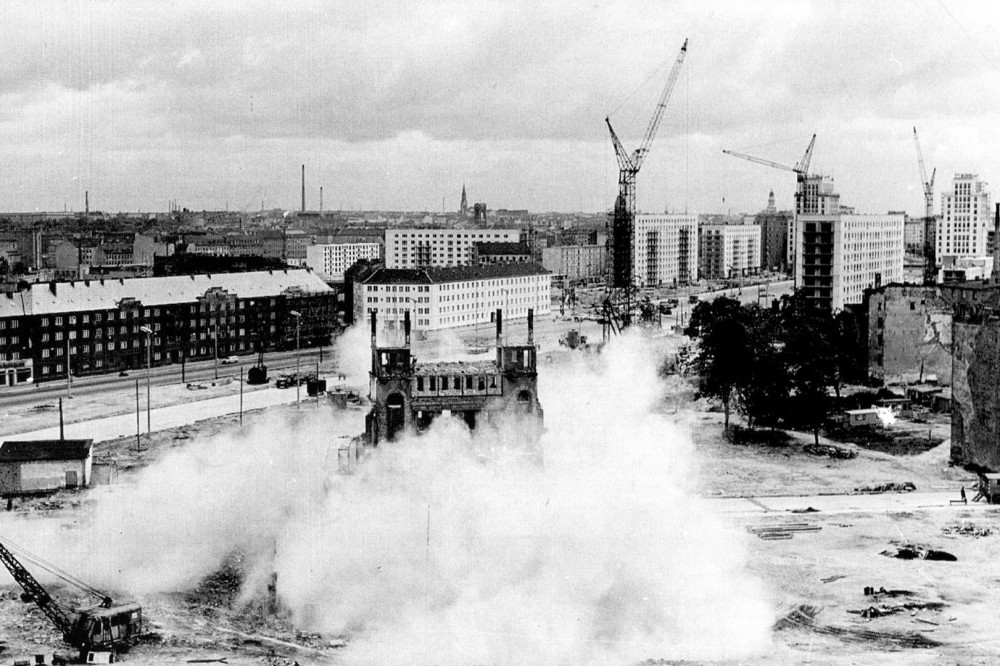

Until 1945
Until 1945, the site of today's "Haus des Lehrers" (House of the Teachers) was home to the "Lehrervereinshaus" (Teachers' Association House), which was built by Hans Toebelmann and Henry Groß in 1908 for the Berlin Teachers' Association and was destroyed by aerial bombs during the Second World War in 1945.
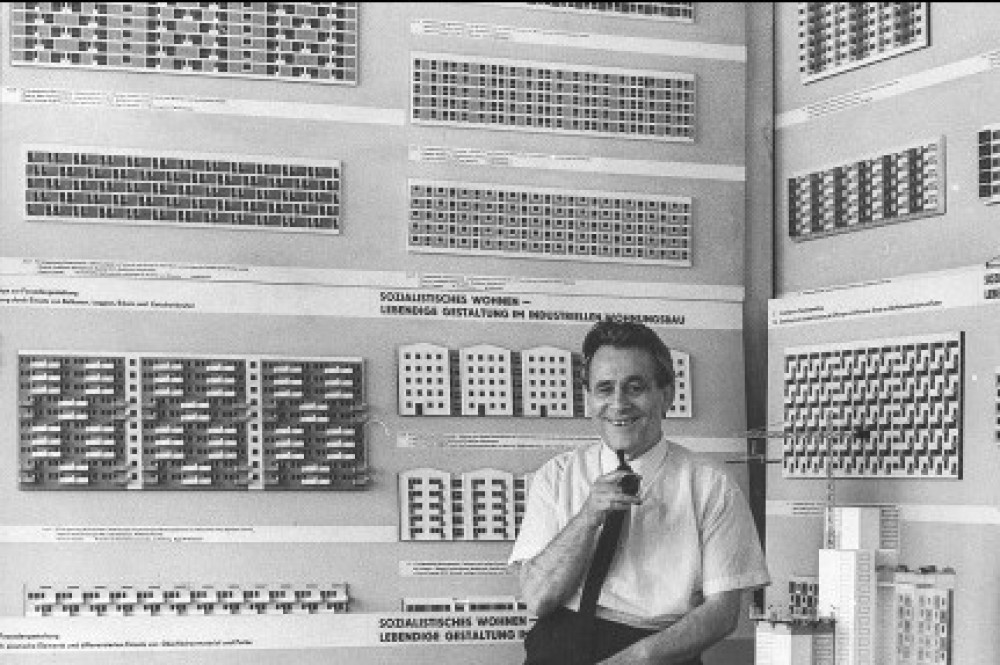

Hermann Henselmann
Born in 1905, the architect Hermann Henselmann was responsible for the internationally acclaimed designs for the redevelopment of Stalinallee among other projects. From 1953 to 1959, he served as chief architect for the Greater Berlin Municipal Authority, and subsequently as chief architect of the Institute for Special Structures at the Academy of Architecture.
When the leadership of the German Democratic Republic decided to continue the tradition of the former Berlin Teachers’ Association House on its original site, they commissioned Hermann Henselmann to design a contemporary venue for communication and events with a socialist character.
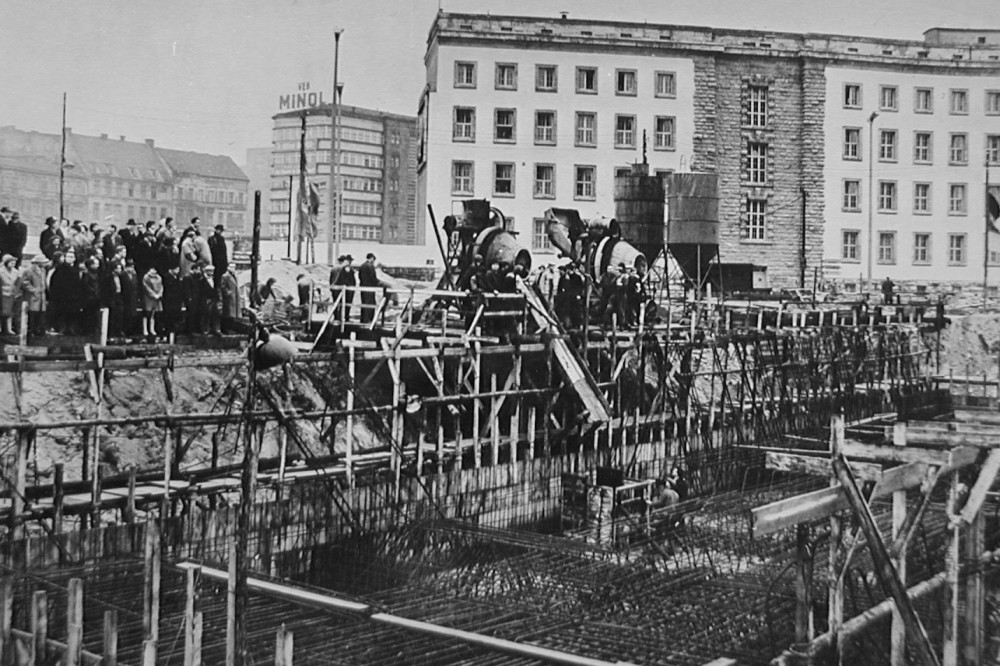
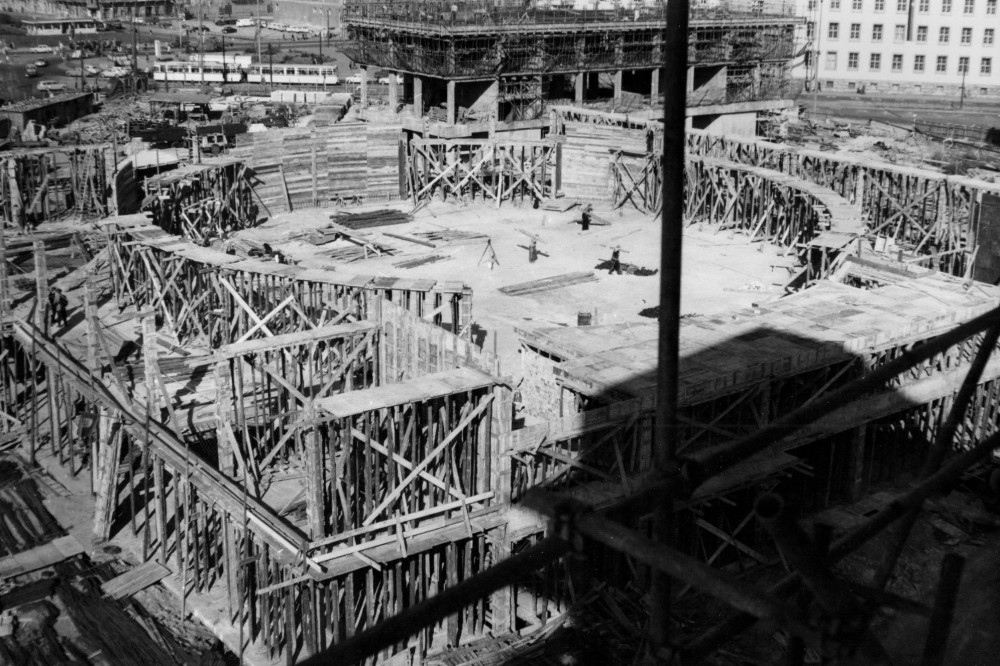
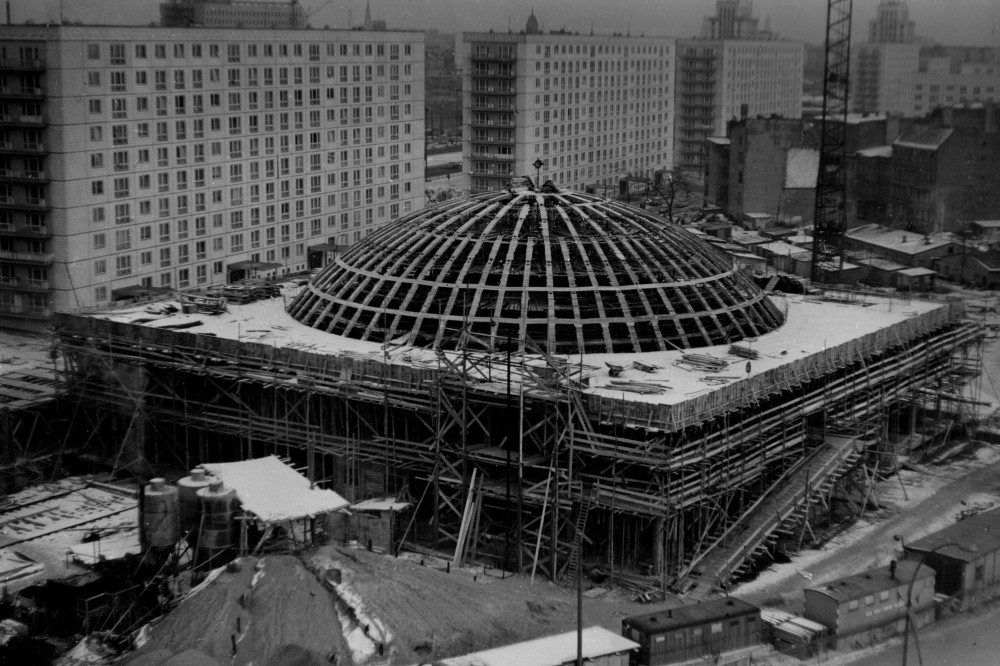
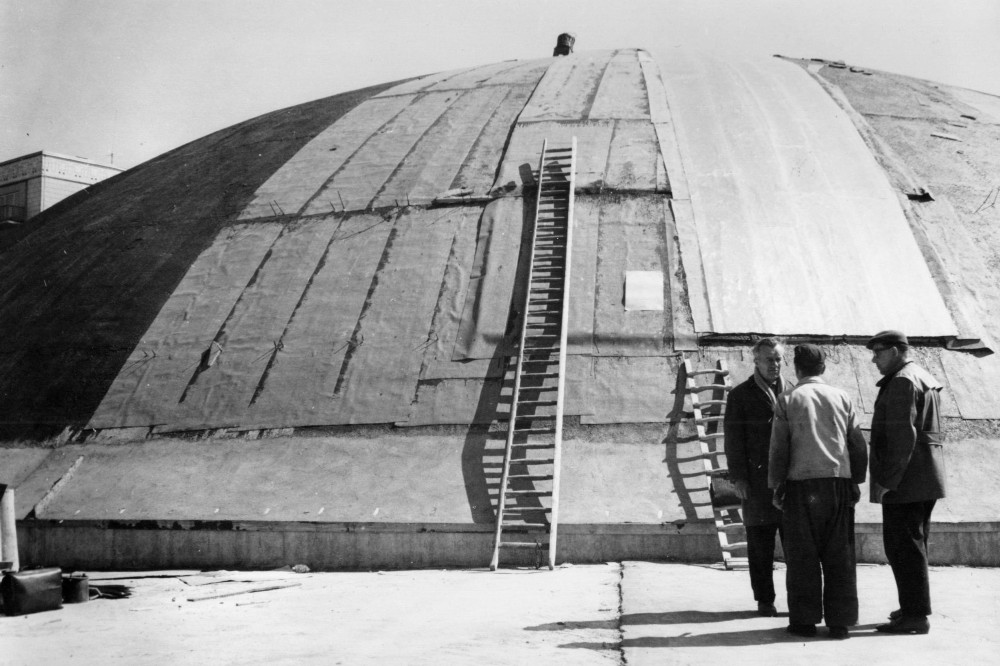

1961
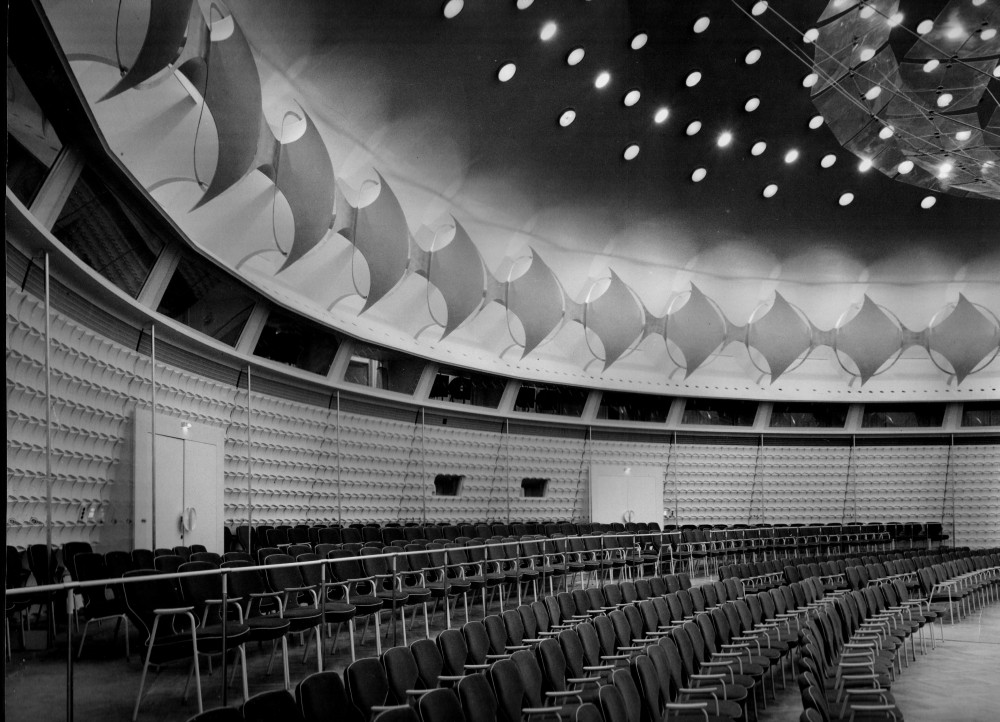
Hermann Henselmann designed a visionary architectural complex with the "Haus des Lehrers" (House of the Teachers) and the Congress Hall. Functionality and transparency are embodied in a futuristic architectural style. The first stone was laid on 12/12/1961 by Friedrich Ebert, Mayor of East Berlin.

1964
After three years of construction, the ensemble opened on 09/09/1964.
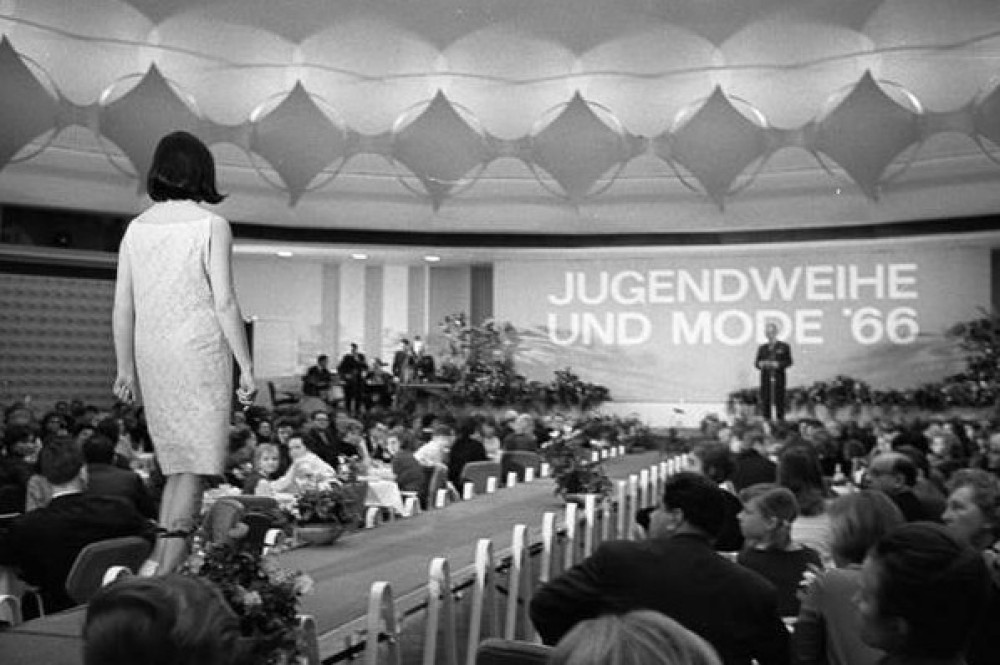
From 1964
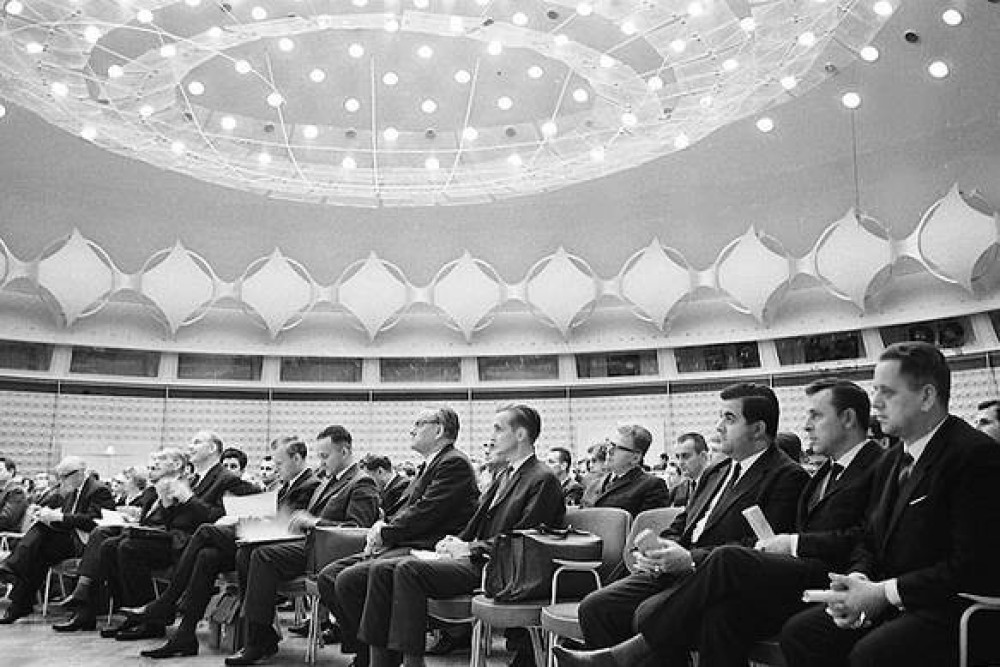
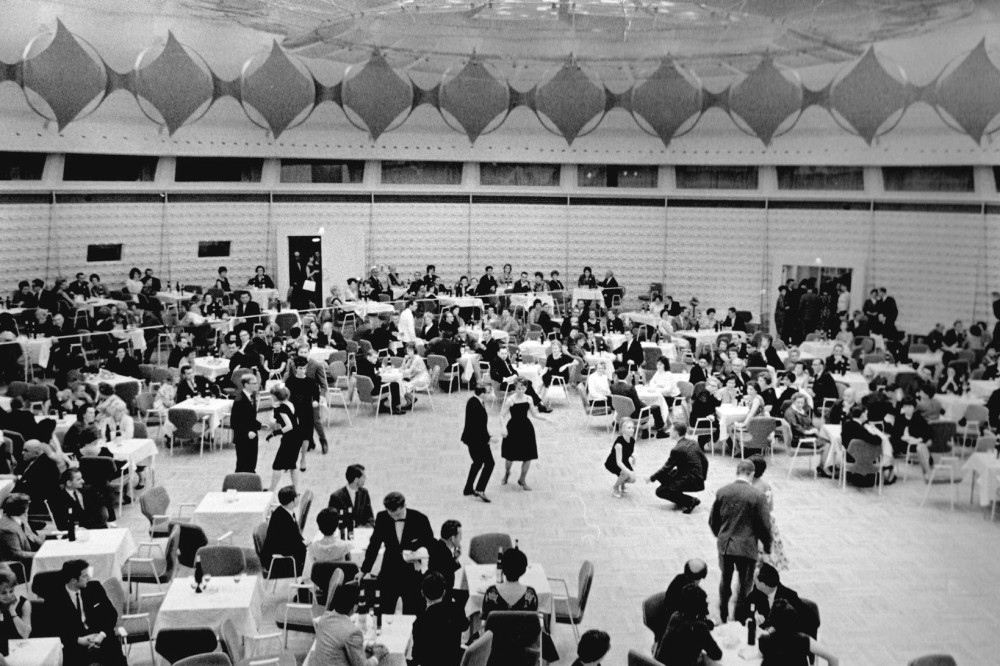
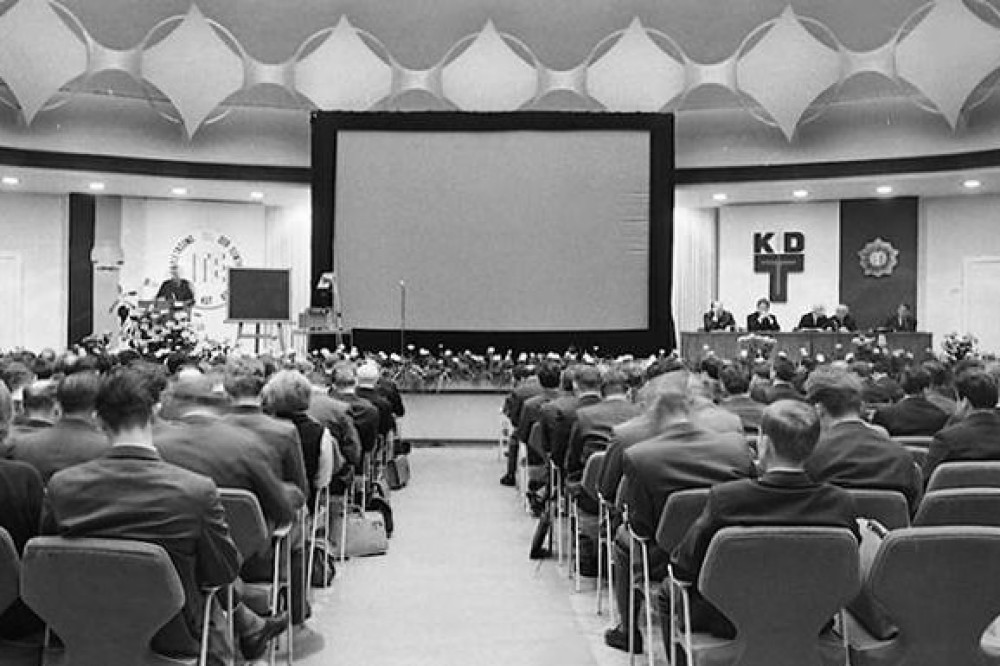
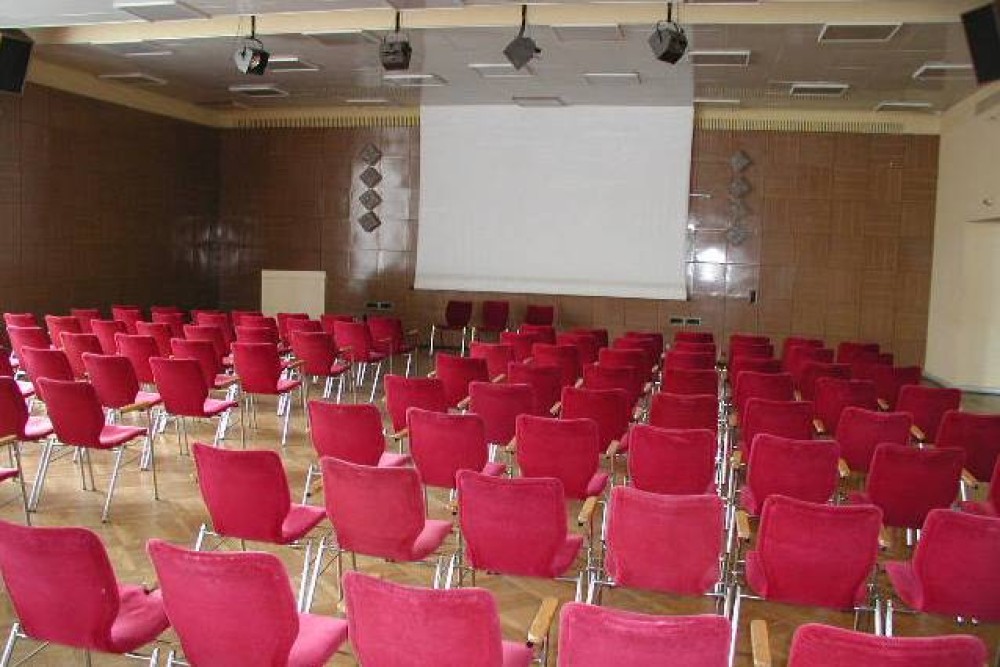
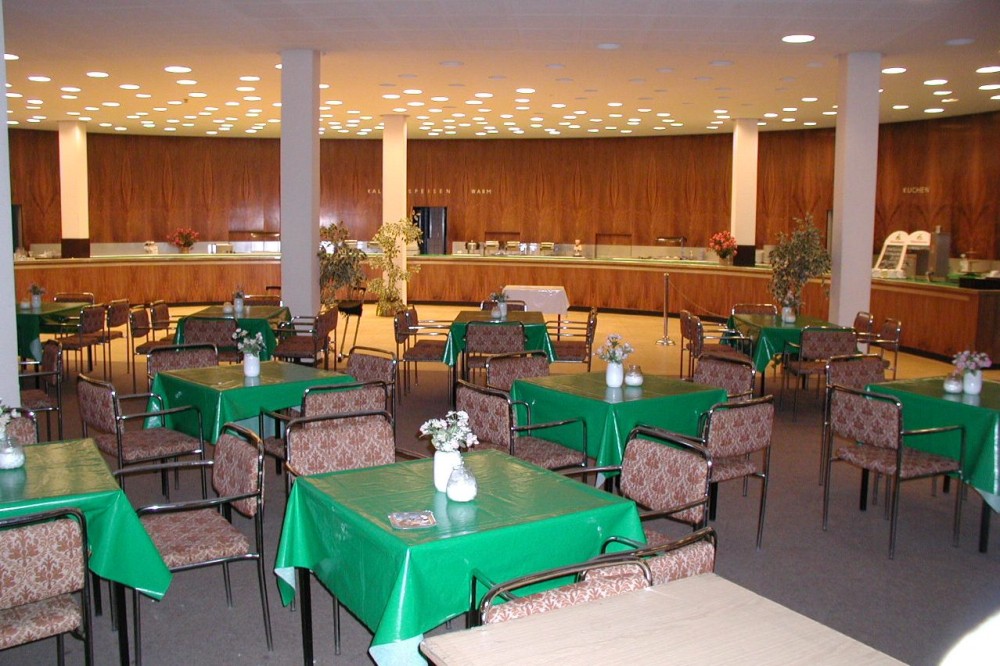
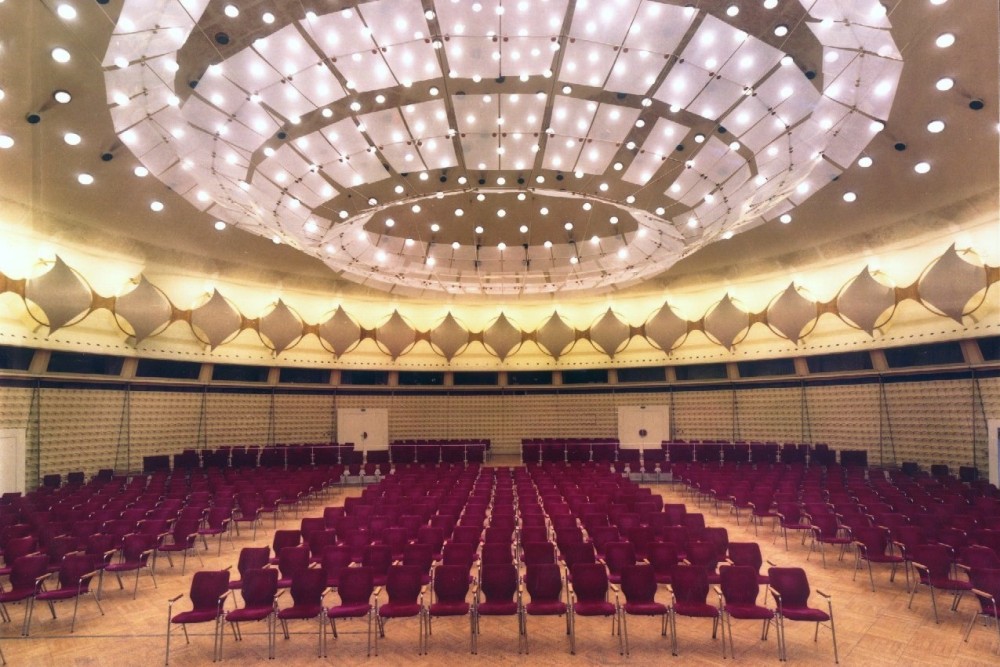
While the "Haus des Lehrers" (House of the Teachers) was intended for the professional development of teachers, the bcc hosted cultural events and various international conferences. Highlights included events during the Berlin Festival Days and the "Festival des politischen Liedes" (Festival of Political Song). Between 1964 and 1971, the People's Chamber of the GDR held several sessions here.
1990–2001
Following the German reunification, the building became property of the State of Berlin in September 1991. In the 1990s, the architectural complex was listed as a historic monument and was included in the list of Berlin’s finest buildings in 1999.
The building meanwhile fell into disrepair and the calibre of events declined. In the late 1990s, Generation@ discovered Alexanderplatz. Creatives from the fields of multimedia, art and architecture became temporary occupants of the building.
2001
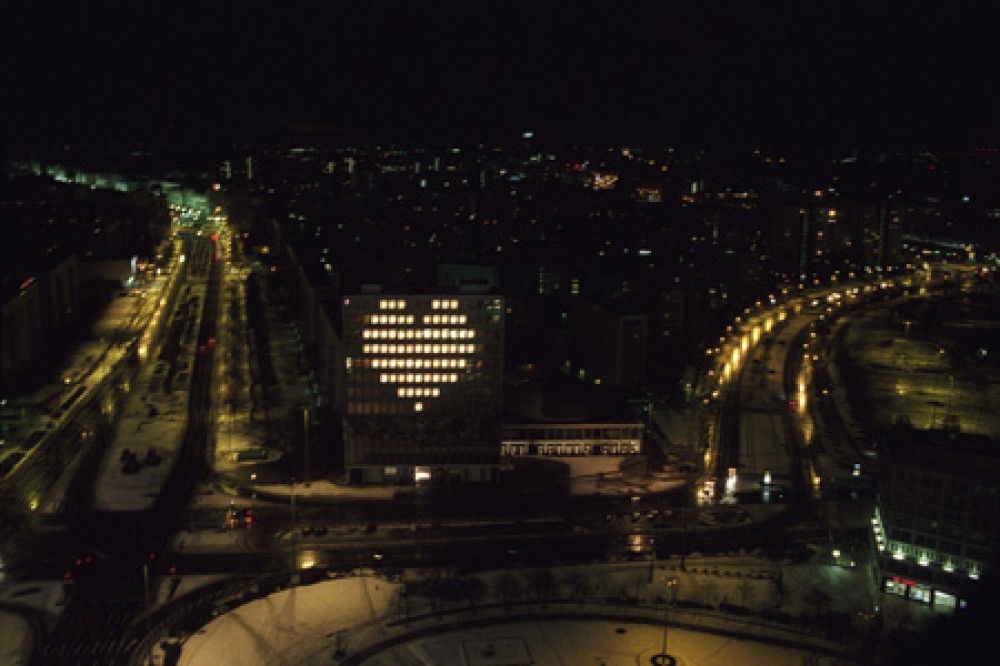
The "bcc Grundstücksgesellschaft" (bcc property company) acquired the building from the state of Berlin. The building attracted considerable international attention thanks to the "Blinkenlights" light installation, which ran from September 2001 to February 2002.
March 2002 – Beginning of 2004
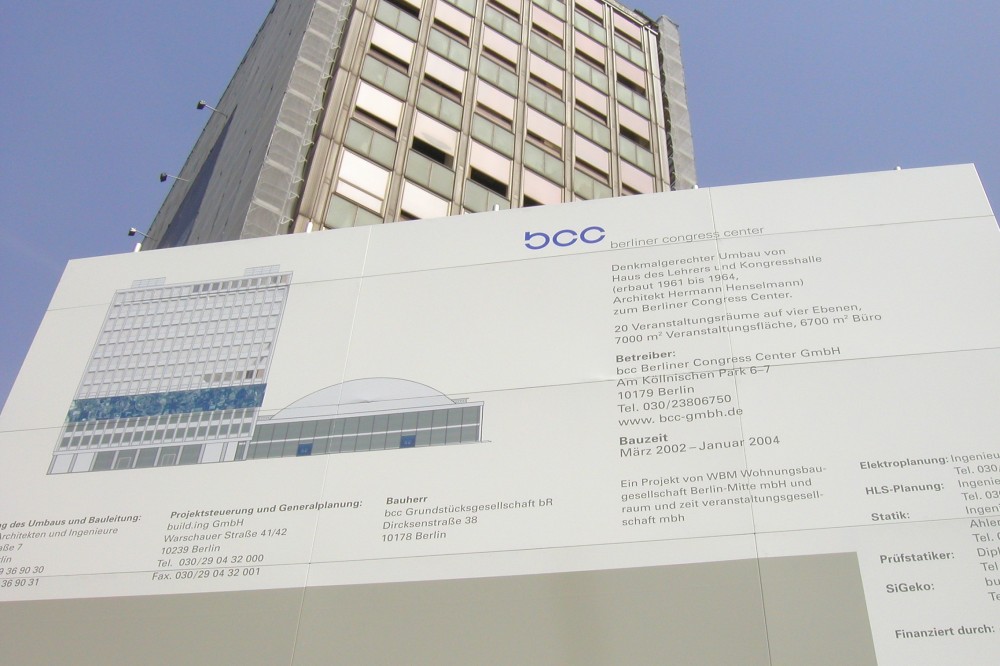
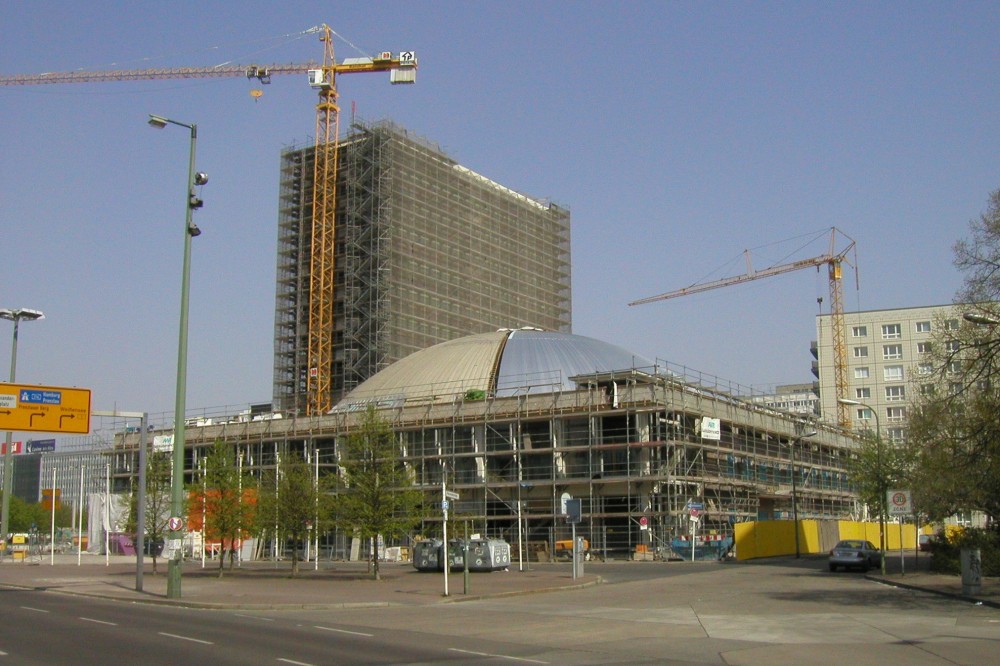
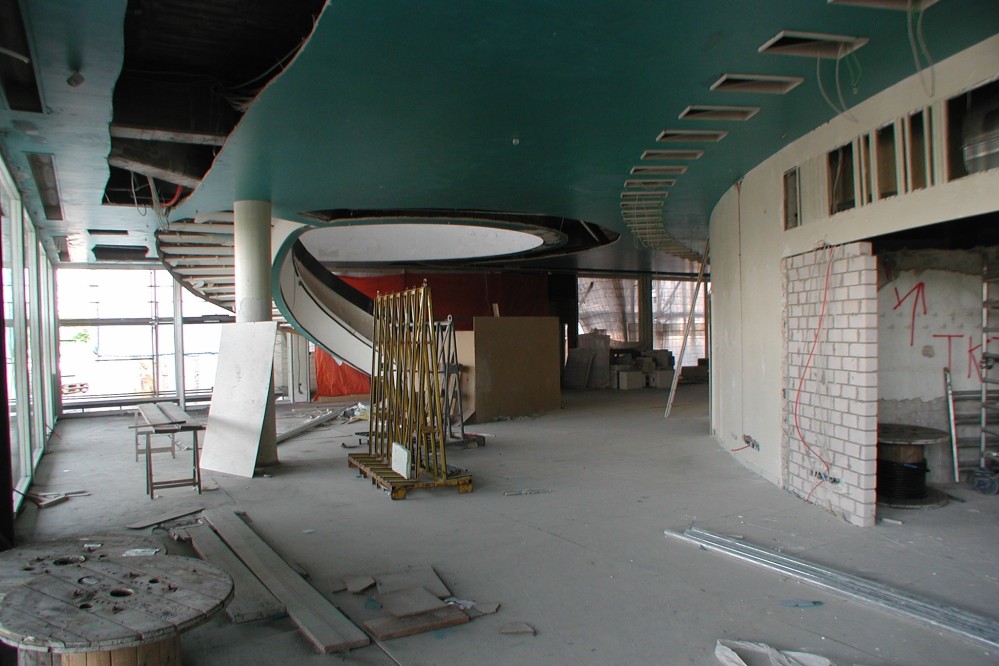
At a cost of around 30 million euros, the "Haus des Lehrers" (House of the Teachers) and the congress hall were renovated in accordance with conservation guidelines and thoroughly modernised. The investment was funded primarily by "WBM Wohnungsbaugesellschaft Berlin-Mitte" (WBM Housing Association Berlin-Mitte). A unique venue was being created while preserving the building's architectural identity.
Since 2003
Since 2003, the bcc GmbH has been operating the former congress hall as the "bcc". The corporate design was developed by the design agency "gewerkdesign". In September 2003, the bcc opened with an international medical conference. Since then, the architectural monument has served as a venue for high-profile events in the fields of business, science, politics, medicine and IT.
Chaos Computer Club
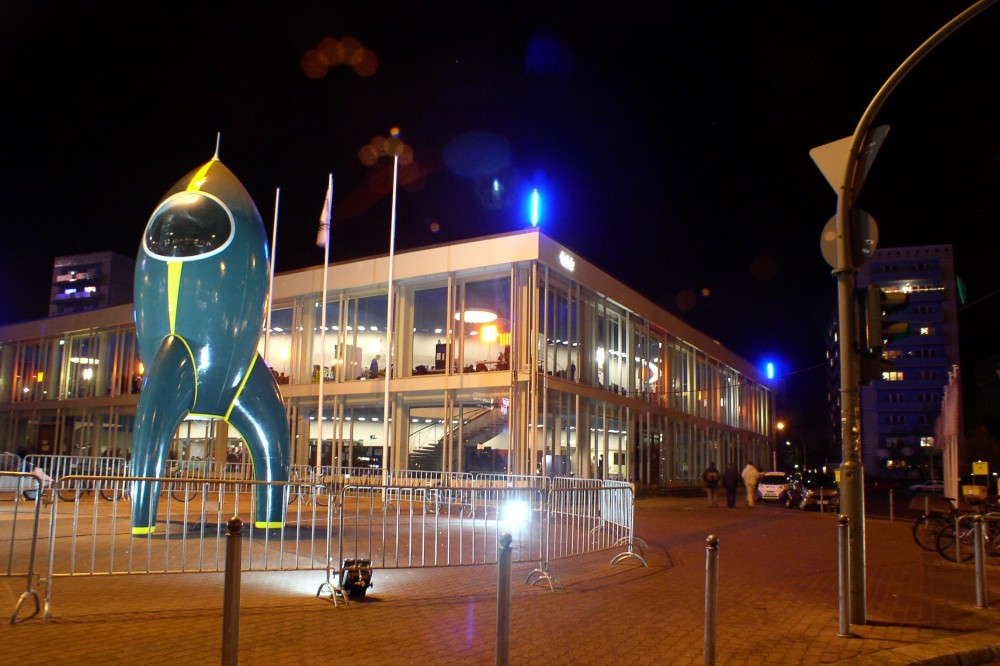
From 2003 to 2011, the annual "Chaos Communication Congress" was held at the bcc – the specialist conference organised by the hacker group Chaos Computer Club (CCC) with up to 3,000 participants.
2005
Christian Hartje and Jan Pieper from K3 SONIC FACTORY created the bcc's corporate sound. The artists explained: "The challenge in composing [...] was to bring together various, extremely diverse influences. These included architecture and colour schemes, but also the historical changes the building has undergone. The futuristic design was to be reflected in the composition."
During the Chaos Communication Congress (CCC), the bcc's sound logo was used as intermission music and it can still today be heard at IT events worldwide.
2007
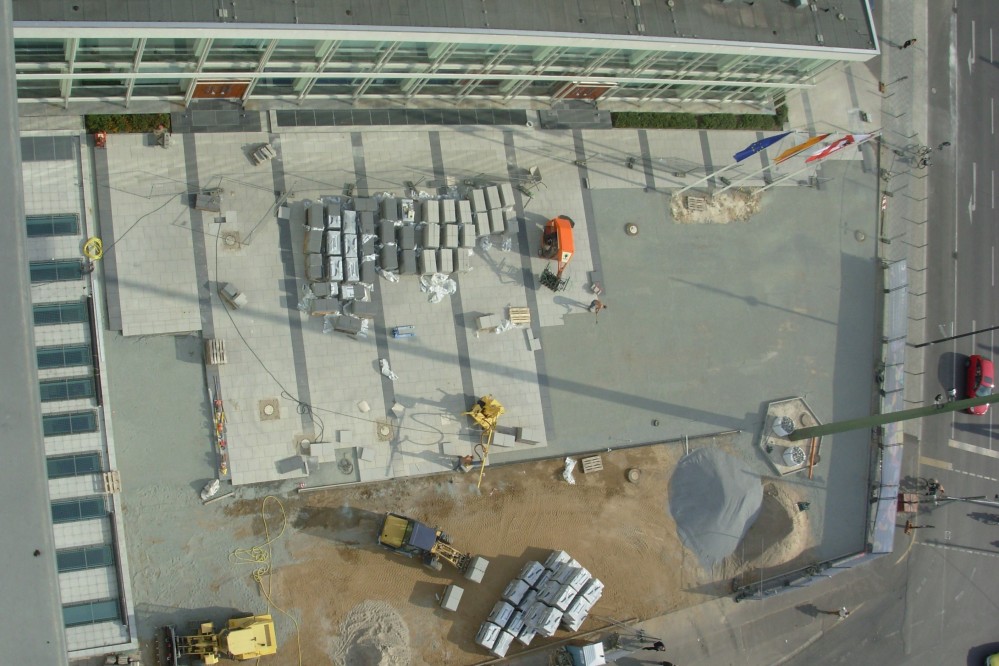
The forecourt and driveway of the bcc were renovated in accordance with the historic model and retained the historic striped pattern from the 60s.



2008
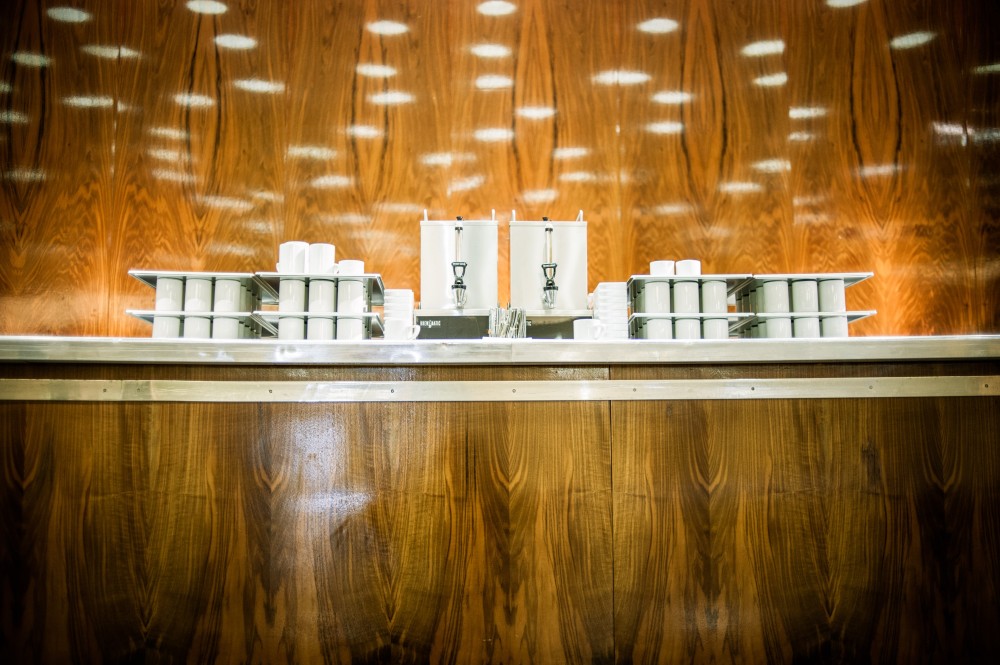
In collaboration with gewerkdesign, the bcc developed a custom catering process and the accompanying tableware series, cp08. This involved rethinking every stage of the catering process, from storage and preparation to cooking, presentation and serving guests. The stackable tableware combines design and functionality; as a modular system, it offers endless possibilities for combination and fits seamlessly into the Gastronorm system.
2013
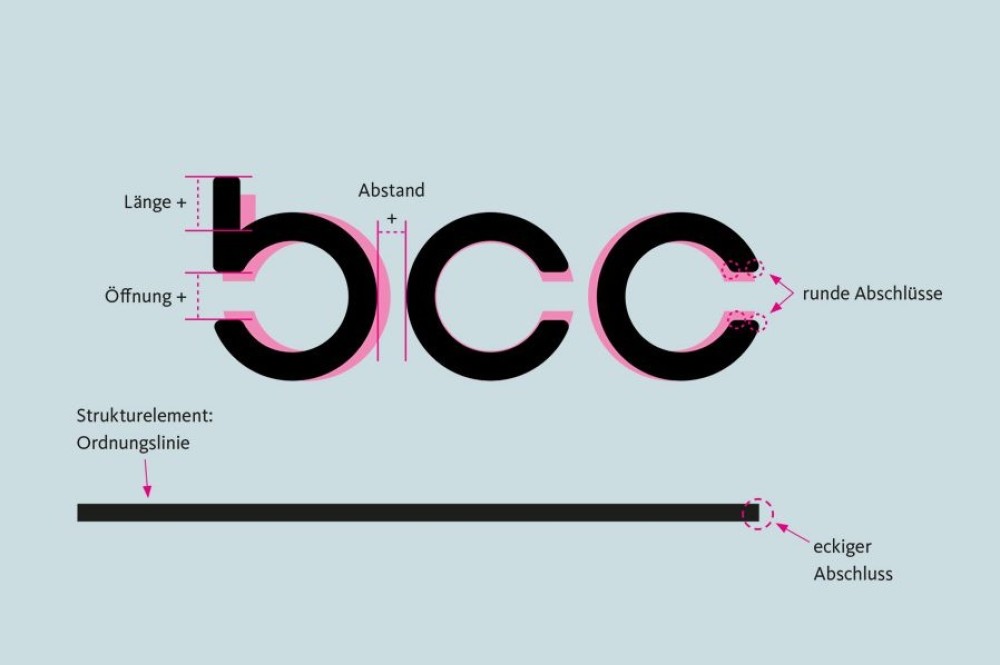
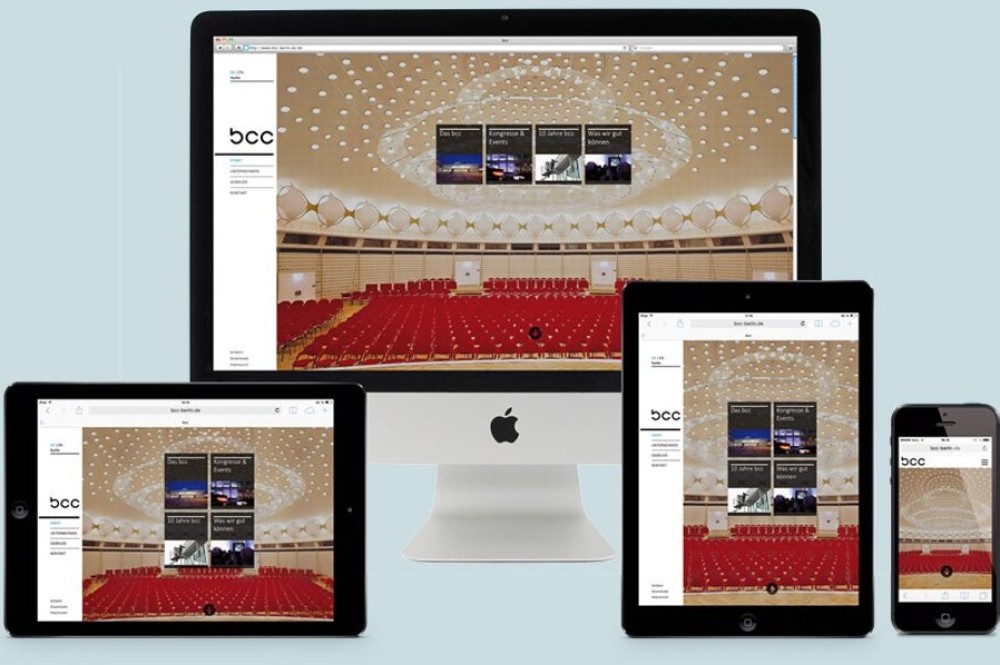
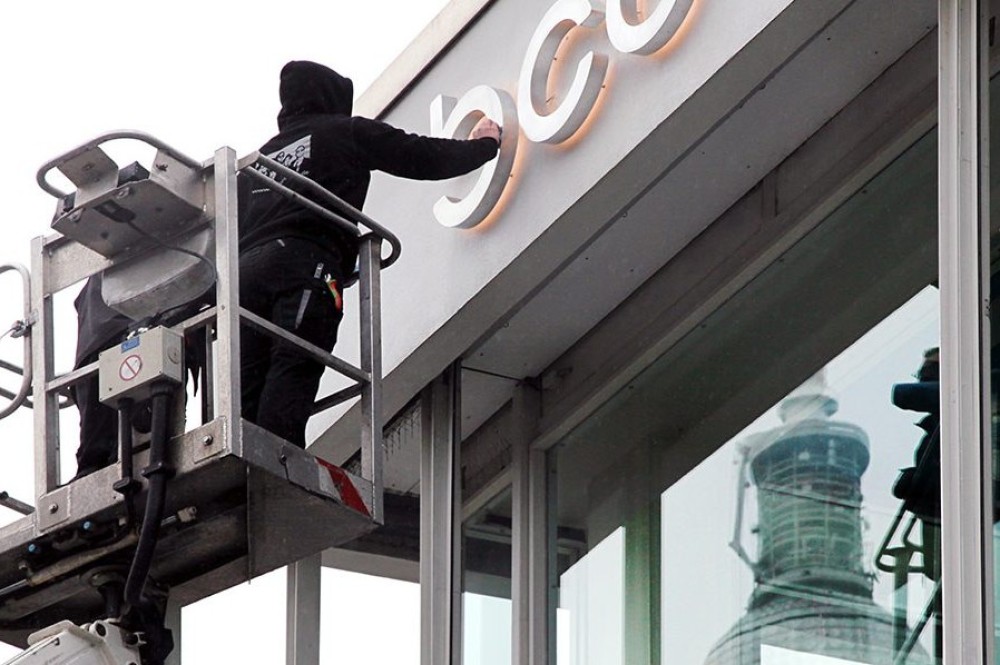
The bcc unveiled a revamped corporate identity. In collaboration with gewerkdesign, an optimised logo, a new website and redefined design principles were developed. Furthermore, the bcc Berliner Congress Center GmbH was renamed to the bcc Berlin Congress Center GmbH. The change from "Berliner" to "Berlin" put the location front and centre and made the name easier to understand globally.


2019
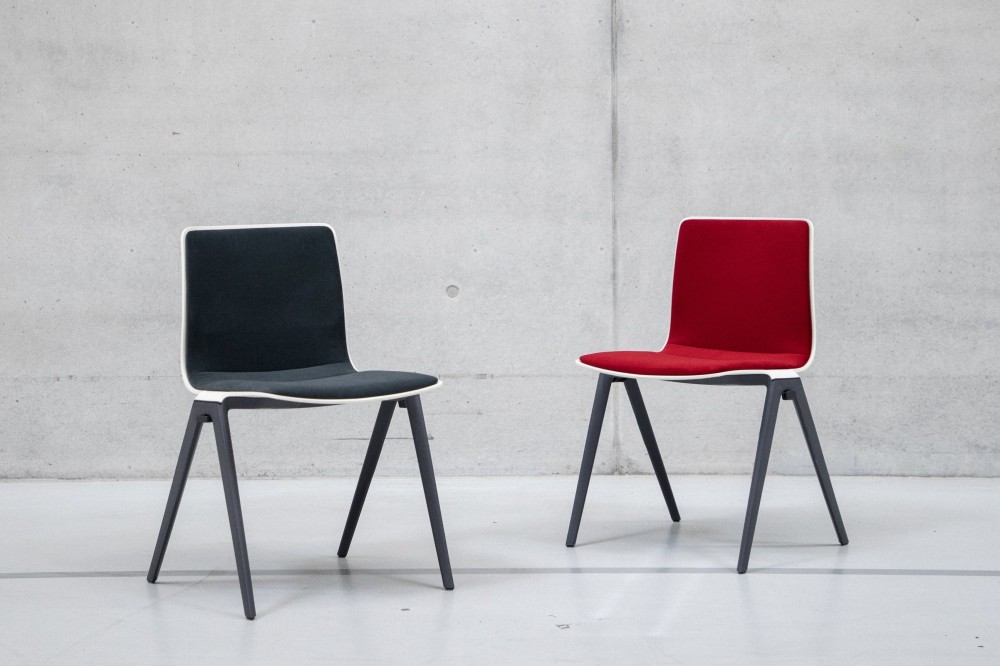
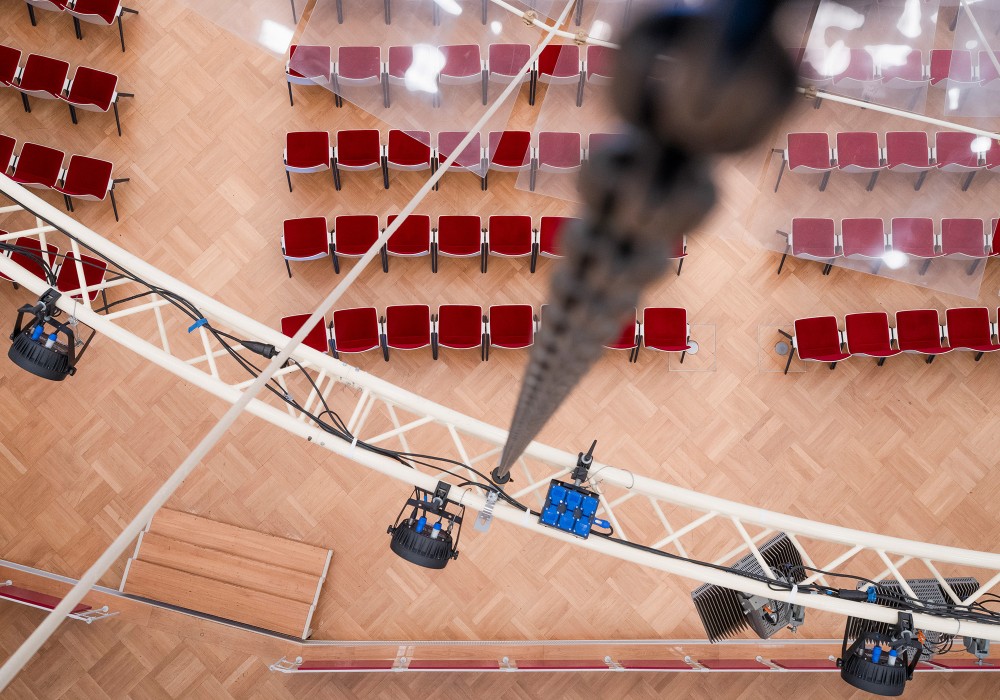
A new seating and table system was launched at the bcc. The collection, manufactured in Germany, was designed over a three-year development phase in close collaboration with Brunner GmbH. It is comprised of the "A-Chair", a table developed specifically for the bcc, along with matching table panels, integrated writing boards and trolleys. All elements are characterised by a clear, timeless design that complements the architecture of the bcc.


2026
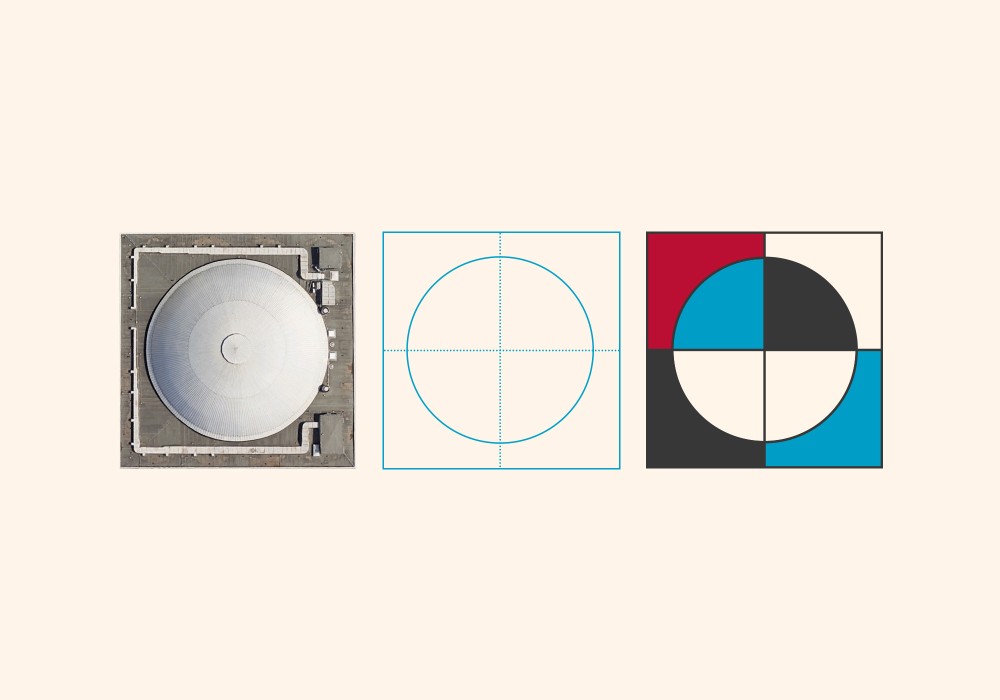
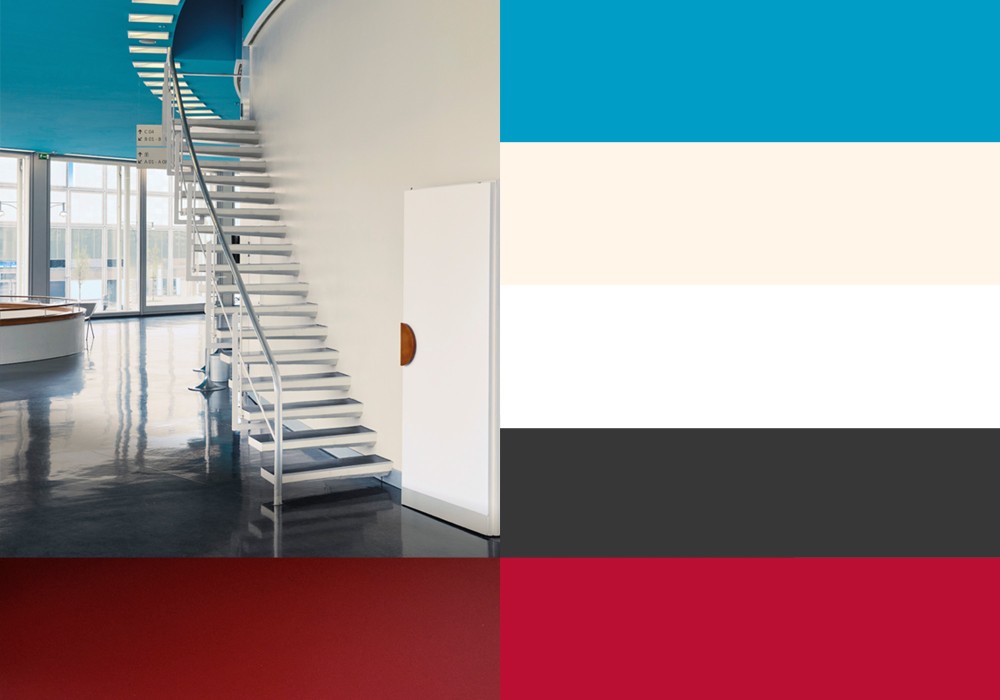
In collaboration with gewerkdesign and a select group of Berlin-based creatives, a new corporate identity is being developed for the bcc.
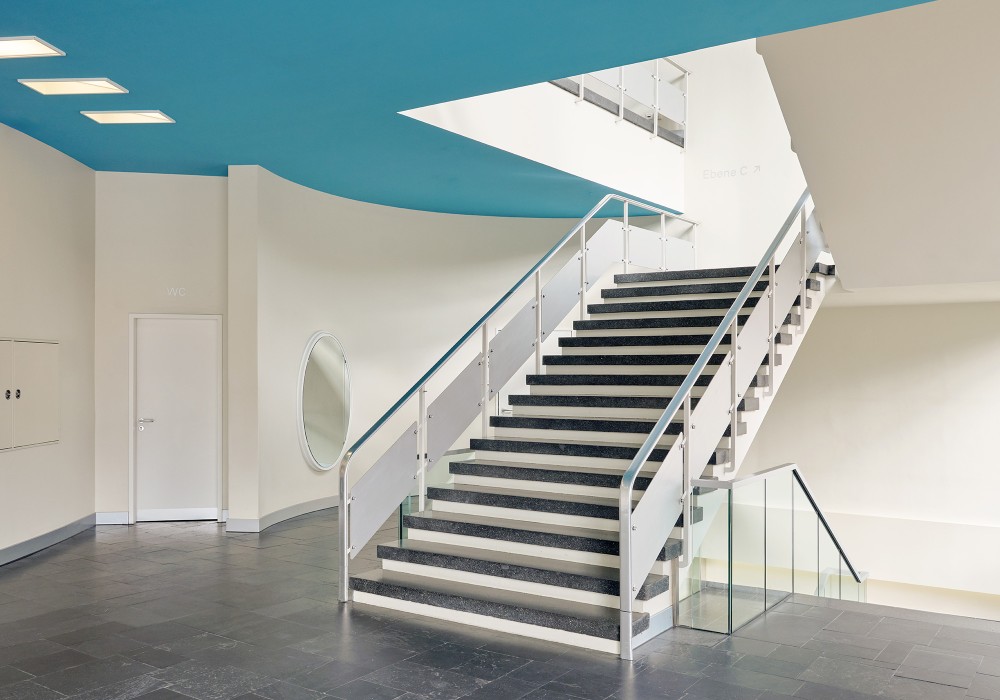
The bcc is being given a new colour scheme derived from its architecture, the specially developed typeface "bcc Type", a new website, and new design principles for all its communications – from business cards to signage systems.